If you've ever owned or considered purchasing an OLED TV, you're likely familiar with the breathtaking picture quality these cutting-edge displays offer. However, alongside the unparalleled visual experience comes the responsibility of proper maintenance to ensure your investment retains its pristine condition for years to come.
Understanding the Challenges of OLED TV Screen Maintenance
Maintaining the viewing screen of an OLED TV presents unique challenges, primarily due to the delicate nature of the technology. Here's what makes it such a daunting task:
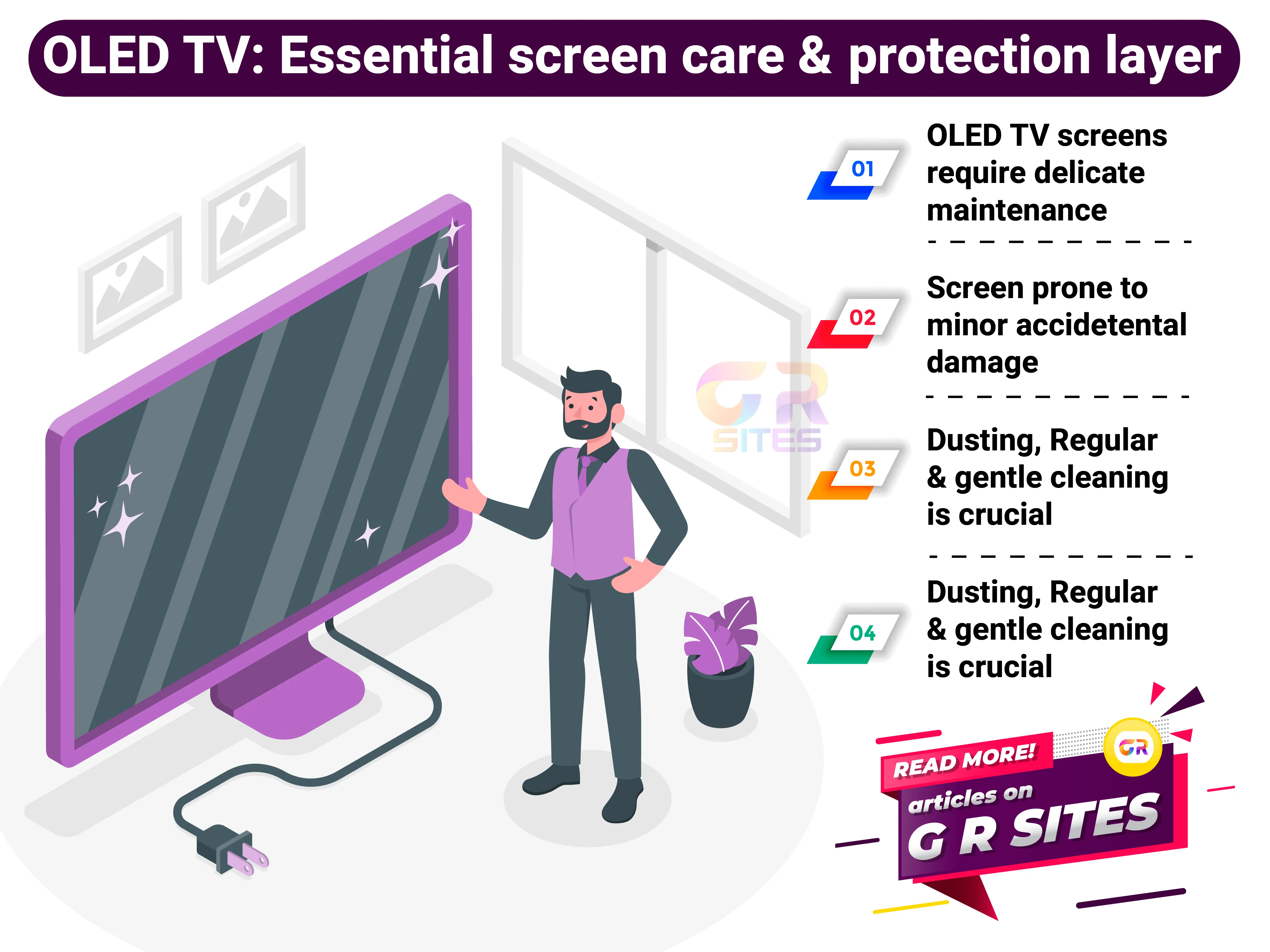
- Advanced OLED Technology: OLED (Organic Light-Emitting Diode) displays offer unparalleled picture quality and contrast, but their ultra-thin screens are susceptible to damage from hard liquid, dust and fingerprints.
- Risk of Accidental Damage: Even minor mishaps or rough cloth can result in significant damage to the screen, leading to costly repairs or replacements.
- Specialized Cleaning Requirements: Traditional cleaning methods may not be suitable for OLED screens, requiring specialized cloths and cleaner liquids to avoid damage.
Essential Maintenance Tips for OLED TV Screens
Now that we understand the challenges, let's explore practical strategies to keep your OLED TV screen in pristine condition:
- Regular Dusting: Dust accumulation is inevitable, but regular dusting can prevent buildup and maintain optimal picture quality. Use a soft, microfiber cloth to gently wipe the screen in a circular motion.
- Avoid Harsh Chemicals: Avoid using harsh cleaning chemicals or abrasive materials, as they can damage the delicate surface of the OLED screen. Stick to manufacturer-recommended cleaner liquids or opt for gentle, non-abrasive solutions.
- Gentle Cleaning Techniques: When cleaning fingerprints or smudges, moisten the microfiber cloth with a small amount of cleaner liquid and gently wipe the affected area. Avoid applying excessive pressure, as this can damage the screen.
- Invest in Screen Protectors: Consider investing in a high-quality screen protector to provide an additional layer of protection against scratches, fingerprints, and accidental damage. Ensure the protector is specifically designed for OLED displays to maintain picture quality.
Need for Built-in Protection and Advanced Cleaning Solutions
As OLED technology continues to evolve, manufacturers should explore adopting innovative solutions to address the challenges of screen maintenance. Here's what the future holds:
- Built-in Screen Protection Layers: Future OLED TVs should incorporate built-in protection layers like mobile phone displays that adopts Gorilla glass or Ceramic shield features to safeguard the screen against minor accidental damage. These innovative protective layers could help mitigate the need for costly repairs and extend the lifespan of the display.
- Advanced Cleaning Solutions: Manufacturers should develop and provide specialized cleaning solutions along with purchase designed specifically for OLED screens. These solutions could effectively remove dirt, fingerprints, and other contaminants without causing damage or compromising picture quality.
Conclusion: Maintaining the pristine condition of your OLED TV screen doesn't have to be a daunting task. By following the tips and techniques outlined in this guide, you can ensure that your investment continues to provide stunning picture quality for years to come. From regular dusting to investing in advanced cleaning solutions, taking proactive steps to care for your OLED screen will pay off in the long run. Say goodbye to frustration and hello to uninterrupted viewing enjoyment! So, embrace the future of OLED TV screen maintenance and keep your display looking flawless for years to come.

